
regulatory
The 2023–2025 Fruit Puree Recalls: A Clinical FAQ
The most useful starting point for the “fruit puree recall 2025” question is not a press release. It is four children in North Carolina who looked well and were found only because routine blood lead testing at ages 1 and 2 still happened. Those four asymptomatic children became the sentinel signal for a national investigation of cinnamon applesauce pouches that eventually included 566 CDC-tracked cases across 44 states, the District of Columbia, and Puerto Rico.[1][2]
That matters clinically because the search phrase is imprecise. It can refer to a 2023-origin lead chromate adulteration event that remained active in public-health reporting through 2024 and 2025, a separate 2025 vegetable puree recall involving environmental lead concerns, or later puree recalls involving hazards that are not lead at all. The response is different for each one. A child who ate a recalled lead-contaminated pouch needs a blood lead testing decision; a mycotoxin recall and a plastic foreign-object recall do not trigger the same clinical pathway.
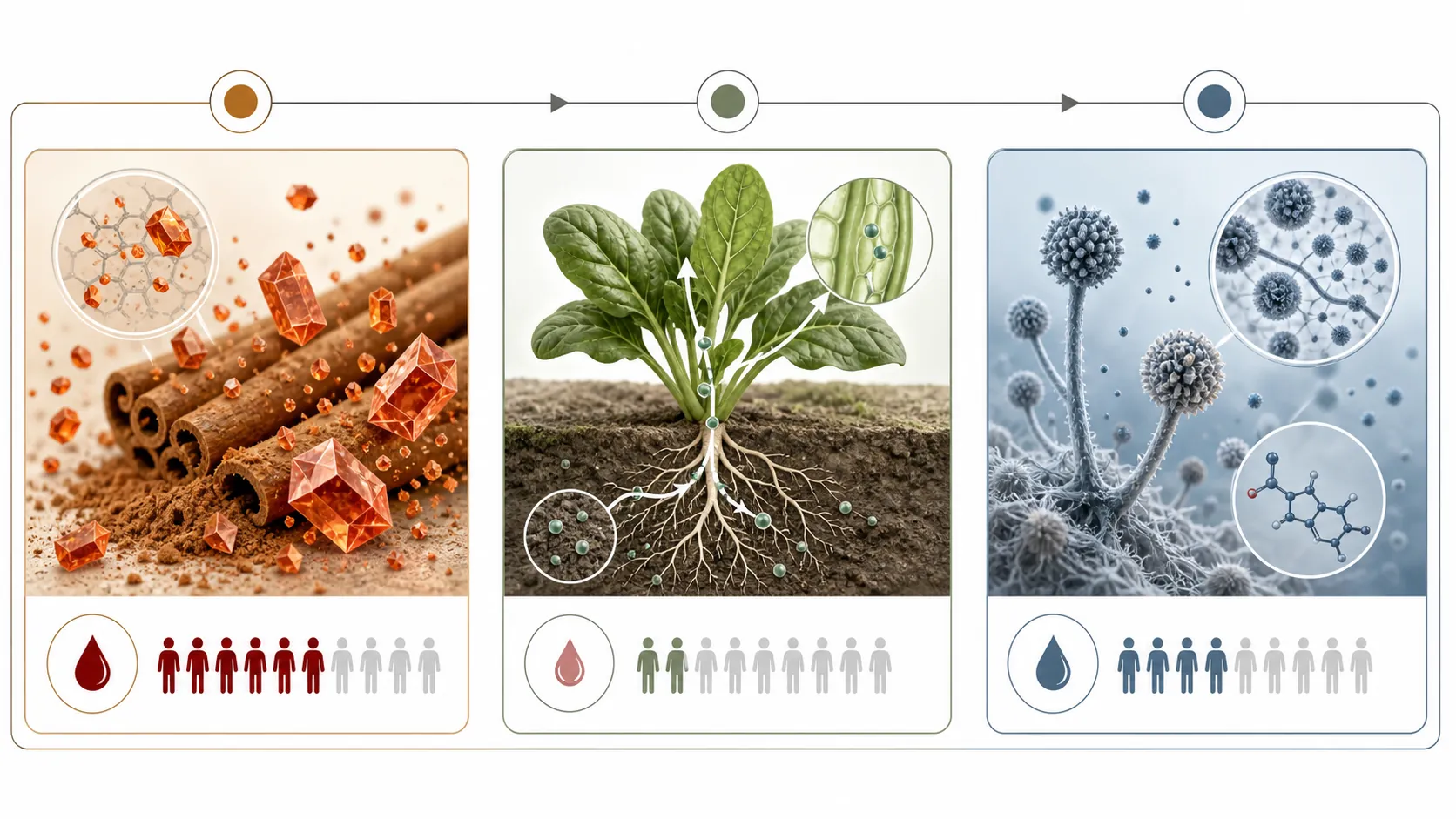
Incident Timeline: Same Search Term, Different Hazards
| Event | Contaminant or hazard | Mechanism | Affected products | Known clinical data | Current regulatory status | Clinical action |
|---|---|---|---|---|---|---|
| WanaBana / Schnucks / Weis cinnamon applesauce pouches, recall began October 2023 | Lead and chromium; lead chromate identified as the likely adulterant pathway | Cinnamon ingredient adulterated with lead chromate, a pigment historically used to increase color and weight | Recalled cinnamon applesauce puree pouches sold under WanaBana and related private-label brands | CDC identified 566 cases; median peak blood lead level was 7.2 µg/dL, with a reported range of 3.5–39.3 µg/dL | FDA post-incident actions continued after the recall, including warning letters, import alerts, and retail cinnamon alerts | Test children who consumed recalled products, regardless of symptoms |
| Good & Gather vegetable puree at Target, March 2025 | Lead | Environmental lead-related contamination pathway, not cinnamon adulteration | Recalled vegetable puree units | Two Oregon infants were reported with elevated blood lead levels in association with the recalled product | Class II recall; recall later terminated in May 2025 | Assess exposure history and consider blood lead testing if the child consumed the recalled product |
| Tippy Toes / Initiative Foods Apple Pear Banana puree, February 2026 | Patulin | Mycotoxin contamination | Single lot of Apple Pear Banana fruit puree | FDA recall notice identifies possible patulin contamination; this is not a lead-poisoning mechanism | Recall notice issued by FDA | Do not manage as a lead exposure unless another lead source is present |
| Peter Rabbit Organics puree pouches, July 2026 | Plastic foreign-object risk | Physical contamination | Products sold through Kroger, Target, and Meijer | Reported as a foreign-object recall, not a chemical or heavy-metal contamination event | Retail recall reported in July 2026 | Manage as a physical-injury risk rather than a toxicology screening event |
The WanaBana Event Was Not a Routine Trace-Metal Finding
The WanaBana investigation deserves most of the clinical attention because it was not simply another low-level heavy-metal discussion in baby food. CDC’s investigation linked elevated blood lead levels in children to recalled cinnamon applesauce pouches, and testing of the cinnamon ingredient found lead concentrations reported at 2,270–5,110 ppm. CDC noted that those levels were about 2,000 times higher than the Codex Alimentarius Commission’s proposed maximum level of 2.5 ppm for lead in bark spices.[1]
That ppm scale matters. Public conversations about baby-food metals often involve trace detections measured in ppb and debated over chronic exposure reduction. The cinnamon applesauce event involved a different order of contamination and a different clinical question: whether a known exposure to a recalled product had already raised a child’s blood lead level.
The suspected mechanism was economically motivated adulteration of cinnamon with lead chromate. Lead chromate is a yellow-orange pigment; in spices, adulteration can make a product appear more vivid or increase apparent value. That is not the same as lead uptake from soil into a crop, and it is not the same as unavoidable background trace presence. It is a failure mode that can create concentrated exposure in a food marketed to very young children.
The case data show why this could not be handled as a symptom-driven recall. In CDC reporting, 55% of identified cases were children younger than 2 years, the median peak blood lead level was 7.2 µg/dL, and the reported range was 3.5–39.3 µg/dL.[2] Only 20% of identified cases reported symptoms.[2]
For a parent, that last number is the plain answer: a child could have eaten a recalled pouch, appeared fine, and still needed testing. For a clinician, it is the operational answer: absence of gastrointestinal symptoms, fatigue, developmental concerns, or irritability is not enough to rule out clinically relevant exposure after consumption of a recalled lead-contaminated product.
Why the North Carolina Signal Still Matters
The North Carolina signal is easy to understate because it began with routine work: age-based blood lead testing, follow-up review, and a question about shared exposure. But that routine identified four asymptomatic children with elevated blood lead levels and helped connect an otherwise ordinary pediatric food product to a national recall investigation.[1]
This is the surveillance lesson. A child with no symptoms is rarely going to trigger a foodborne heavy-metal investigation through parental concern alone. The testing program created the signal. Without it, the first cases could have remained isolated laboratory abnormalities, and the product history might have been missed.
The North Carolina analysis also warns against relying only on socioeconomic risk-factor screening. In that state’s case series, 45% of cases were Medicaid-enrolled, meaning a Medicaid-only screening approach would not have captured the majority of identified cases.[1] That does not make universal testing the answer to every puree recall. It does mean that once a recalled lead-contaminated product is identified, product exposure becomes its own testing criterion.
Clinical FAQ
Which children should receive a blood lead test after the WanaBana recall?
CDC recommended blood lead testing for any child who consumed a recalled cinnamon applesauce product, regardless of symptoms.[2] That recommendation follows the exposure, not the child’s appearance in the exam room.
The practical intake question is specific: Did the child eat one of the recalled WanaBana, Schnucks, or Weis cinnamon applesauce pouches during the exposure window? If yes, a blood lead test is indicated even if the child is playful, eating normally, and developing without obvious new concerns.
What blood lead level counts as concerning?
CDC uses a blood lead reference value of 3.5 µg/dL to identify children with blood lead levels higher than most children’s levels.[2] It is not a toxicity threshold below which lead becomes harmless. It is a public-health reference point that helps clinicians decide when follow-up, environmental review, and prevention steps are needed.
In the WanaBana-associated cases, the median peak blood lead level was 7.2 µg/dL, and one third of identified cases reached at least 10 µg/dL.[2] Those numbers should not be used to predict an individual child’s result. They do show why a known exposure deserved laboratory confirmation rather than reassurance based on the lack of acute symptoms.
If the recall is over, is testing still relevant?
Recall status and clinical follow-up are related but not identical. A terminated recall means the product-removal process has reached a regulatory endpoint. It does not prove that every exposed child was identified, tested, or followed until blood lead levels declined.
For WanaBana, the product event began in 2023, but public-health reporting and FDA post-incident actions continued into later years.[2][3] For a child with a credible history of consuming a recalled lead-contaminated pouch, the clinical question is exposure history and prior testing, not whether the product is still on shelves.
Do symptoms help identify which children were affected?
Not reliably. CDC reported that only 20% of identified cases had symptoms.[2] Lead exposure in young children is often clinically quiet at the time it is detected, and the children most in need of prevention are not necessarily the ones who look sick.
Parents do not need to reconstruct subtle symptoms to justify asking about testing. Clinicians do need to document the product name, approximate timing, whether the child already had a blood lead test after exposure, and whether confirmatory or follow-up testing is needed under local public-health guidance.
Good & Gather Was a Lead Recall, but Not the Same Lead Recall
The March 2025 Good & Gather recall at Target is important because it prevents an overly neat conclusion that “lead in puree pouches” was only a cinnamon-adulteration story. The recalled product involved 25,600 units of vegetable puree, and two Oregon infants were reported with elevated blood lead levels in association with the product. The recall was classified as Class II and later terminated in May 2025.
The distinction is not academic. An environmental lead pathway suggests contamination related to ingredients, growing conditions, processing, or other supply-chain exposure; lead chromate adulteration points to a concentrated adulterant in a spice ingredient. Both can justify testing after confirmed product exposure. They do not imply the same failure point, the same magnitude, or the same procurement controls.
For clinical triage, the Good & Gather question is narrower: Did the child consume the recalled product lot, and was blood lead testing already performed? For incident review, the lesson is broader: recall termination should be recorded separately from clinical case-finding. Closing the regulatory file does not erase the need to handle exposed infants appropriately.
Not Every Fruit Puree Recall Is a Lead Event
Tippy Toes and Peter Rabbit Organics are useful boundary cases because they show how much work the words “fruit puree recall” fail to do. In February 2026, Initiative Foods recalled a single lot of Tippy Toes Apple Pear Banana fruit puree because of possible patulin contamination.[4] Patulin is a mycotoxin concern; it is not a heavy-metal exposure and does not lead to the same blood lead testing pathway.
In July 2026, Peter Rabbit Organics puree pouches were reported recalled because of a plastic foreign-object risk at Kroger, Target, and Meijer.[5] That is a physical-safety recall. It belongs in a recall tracker, but it should not be folded into a lead-poisoning FAQ as if the clinical response were interchangeable.
- Lead chromate adulteration: ask about recalled cinnamon applesauce exposure and blood lead testing.
- Environmental lead contamination: verify recalled product and lot exposure, then assess whether blood lead testing is indicated.
- Patulin contamination: follow recall instructions for the affected lot; do not manage it as lead exposure unless there is a separate lead concern.
- Plastic foreign-object risk: focus on choking, injury, and product removal rather than toxicology testing.
What FDA Did After the Cinnamon Applesauce Investigation
FDA’s post-incident actions make more sense once the cinnamon pathway is clear. The agency described warning letters to Austrofood, Dollar Tree, and WanaBana USA; placement of Negasmart on multiple import alerts; public health alerts for certain ground cinnamon products sold at retail; and draft guidance proposing an action level of 10 ppb for lead in fruit purees intended for babies and young children.[3]
Those actions address different layers of the failure. Warning letters speak to firm conduct and compliance. Import alerts address entry of implicated products or firms. Retail cinnamon alerts recognize that the contaminated ingredient category may matter beyond the original pouch brands. Draft action levels are prospective controls; they do not substitute for case-finding among children who already consumed recalled products.
For teams that track recalls across categories, this is the same reason a consolidated incident tracker is safer than a headline archive. Product availability, agency enforcement, contaminant mechanism, and clinical follow-up sit on different timelines. A procurement team may care most about supplier controls; a pediatric clinic cares most about whether a child with past exposure ever received the indicated test.
Current Status as of Q3 2026
As of Q3 2026, the 2023–2025 fruit puree recalls should not be treated as one continuing event. The WanaBana cinnamon applesauce episode was a lead chromate adulteration event that became the largest pediatric foodborne heavy-metal poisoning event in recent U.S. history, with 566 CDC-tracked cases and a median peak blood lead level of 7.2 µg/dL.[2] The Good & Gather recall was a smaller 2025 lead-related event with a different apparent pathway and a terminated recall status. The later Tippy Toes and Peter Rabbit Organics recalls involved different hazards altogether.[4][5]
The clinical remainder is straightforward. If a child consumed a recalled lead-contaminated puree pouch and was never tested, the absence of symptoms is not reassuring. If the recall involved patulin or a plastic foreign object, the response should follow that hazard rather than borrowing the WanaBana lead-testing logic. Precision is not a softer message; it is how the right children get the right follow-up.
References
- Notes from the Field: Lead and Chromium Poisoning Outbreak Linked to Cinnamon Applesauce Pouches — United States, 2023, CDC MMWR
- Investigation of Elevated Blood Lead Levels Among Children Exposed to Cinnamon Applesauce Pouches, CDC MMWR, 2025
- Post-Incident Response Activities: Elevated Lead and Chromium Levels in Cinnamon Applesauce Pouches, U.S. Food and Drug Administration
- IF CoPack LLC dba Initiative Foods Recalls Tippy Toes Brand Apple Pear Banana Because of Possible Patulin Contamination, U.S. Food and Drug Administration
- Fruit puree pouches recalled at Kroger, Meijer, Target, USA Today, July 22, 2026