
The problem began with a champagne toast that could not be legally served.
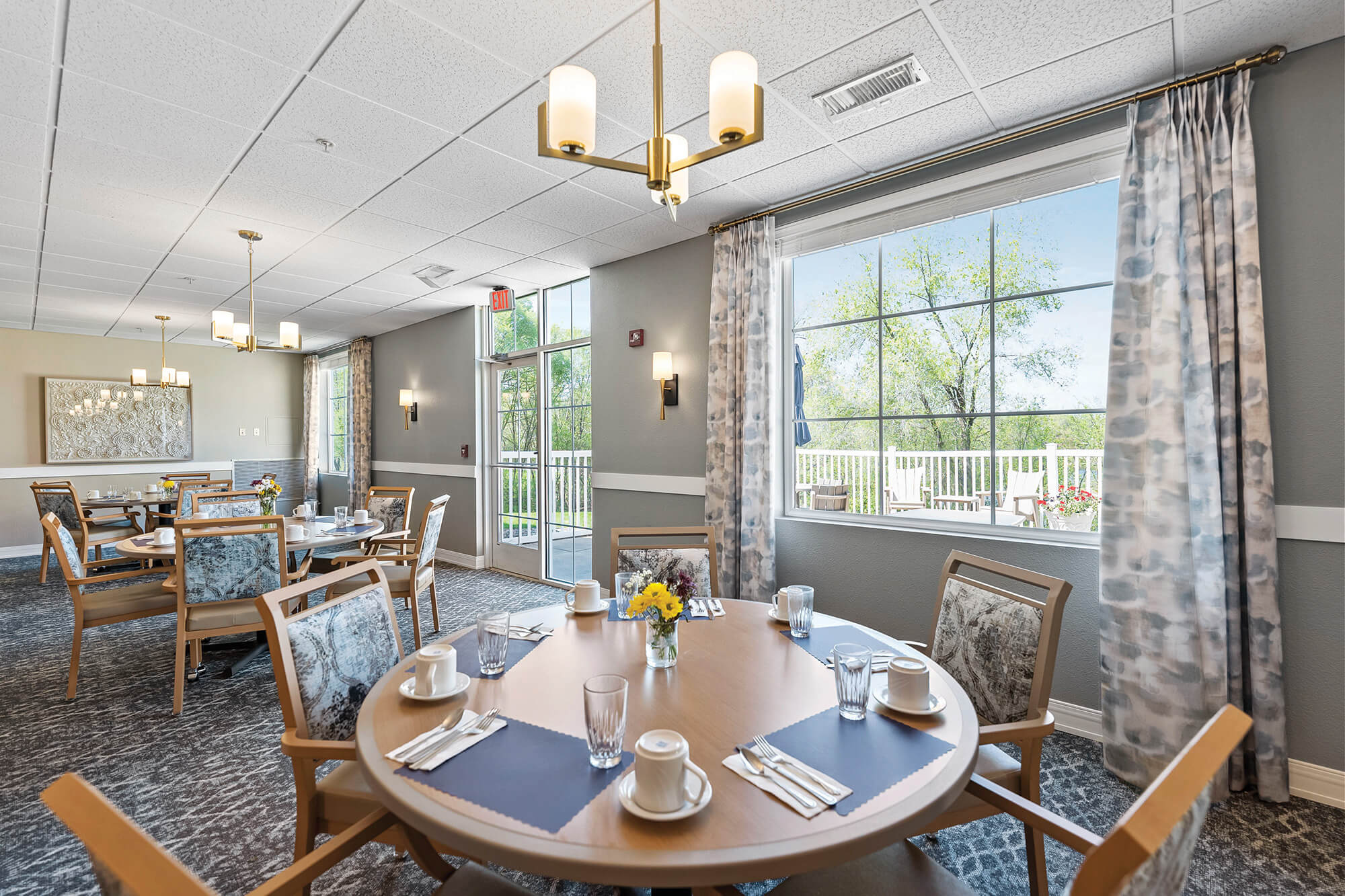
Amira Choice in Coon Rapids had finished a renovation and wanted to mark the occasion with residents. The plan was modest: a celebratory toast inside a senior living community. Then staff discovered that the local liquor licensing framework did not really have a usable box for what they were trying to do. The facility was not opening a bar, selling drinks to the public, or building an alcohol business. It wanted to host a resident social event. Under the old structure, that distinction did not matter enough.[1]
That small failure explains why Minnesota’s Grandparents’ Happy Hour bill moved as quickly and comfortably as it did. HF2027/SF2511, signed into law in 2026, creates a narrow exemption allowing certain senior care facilities to serve alcohol without obtaining a separate liquor license, while keeping health and safety oversight in place.[2] The bill passed the Minnesota House 129-1 and the Senate 53-12 before Gov. Tim Walz signed it.[3] It takes effect August 1, 2026.[4]
What Minnesota’s Grandparents’ Happy Hour Bill Actually Changes
Minnesota’s Grandparents’ Happy Hour bill can sound, at first pass, like a fight over alcohol. The statute is more precise than that. It does not give senior homes an open-ended liquor privilege. It removes one licensing layer for a defined setting and then states the conditions that remain.
Section 2 of SF2511 exempts qualifying senior care settings from the state’s liquor license requirement when they provide alcohol to residents and their guests. To use the exemption, the facility must notify the Minnesota commissioner of health. It may not sell alcohol. Guests must be escorted by residents. The law also states that existing Department of Health and federal Centers for Medicare and Medicaid Services safeguards continue to apply.[2]
| Issue | What the new law does |
|---|---|
| Separate liquor license | Creates an exemption for qualifying senior care facilities |
| State health oversight | Requires notification to the commissioner of health |
| Alcohol sales | Does not allow facilities to sell alcohol |
| Guests | Requires guests to be escorted by residents |
| Existing safeguards | Keeps Department of Health and CMS requirements in place |
Those details are the difference between deregulation as a slogan and deregulation as a statutory choice. Minnesota did not say alcohol in senior care no longer matters. It said the liquor license requirement was the wrong tool for this particular activity.
The practical result is that an administrator can plan a wine-and-cheese event, a holiday toast, or a resident happy hour without first forcing the facility into a licensing model designed for commercial alcohol service. The administrator still has to operate inside the senior care regulatory environment. Medication management, supervision, resident rights, care planning, abuse prevention, and facility safety rules do not disappear because a resident is offered a glass of champagne.
Why “Duplicative” Became the Persuasive Word
Abby Dahl of LeadingAge Minnesota made the central argument in testimony: the separate liquor license requirement was duplicative because senior homes already operate under extensive state health and safety oversight.[1] Supporters described that oversight as more than 500 state health and safety regulations. That figure matters less as a boast about regulatory volume than as a reminder of where protective authority already sits.
A liquor license is a meaningful instrument when the state is regulating alcohol commerce: sales, service to the public, servers, premises, and enforcement against a business whose purpose includes selling alcohol. A senior living dining room is a different regulatory object. The resident is already known to the facility. The facility already has obligations tied to health status, safety, staffing, care routines, and resident rights. If a glass of wine creates a resident-specific concern, the useful regulator is not necessarily the same one that licenses a tavern.
That is why the Amira Choice story is more than a charming anecdote. It shows a category error. A renovation celebration became difficult not because an identified safety hazard had to be solved, but because the licensing structure could not comfortably distinguish a resident social ritual from alcohol service as a commercial activity.[1]
The vote margins suggest lawmakers from both parties accepted that distinction. A 129-1 House vote and a 53-12 Senate vote are not proof that implementation will be flawless. They are evidence that, on this narrow question, legislators did not see the old permit requirement as doing enough protective work to justify the burden it created.[3]
Autonomy Shows Up in Small Permissions
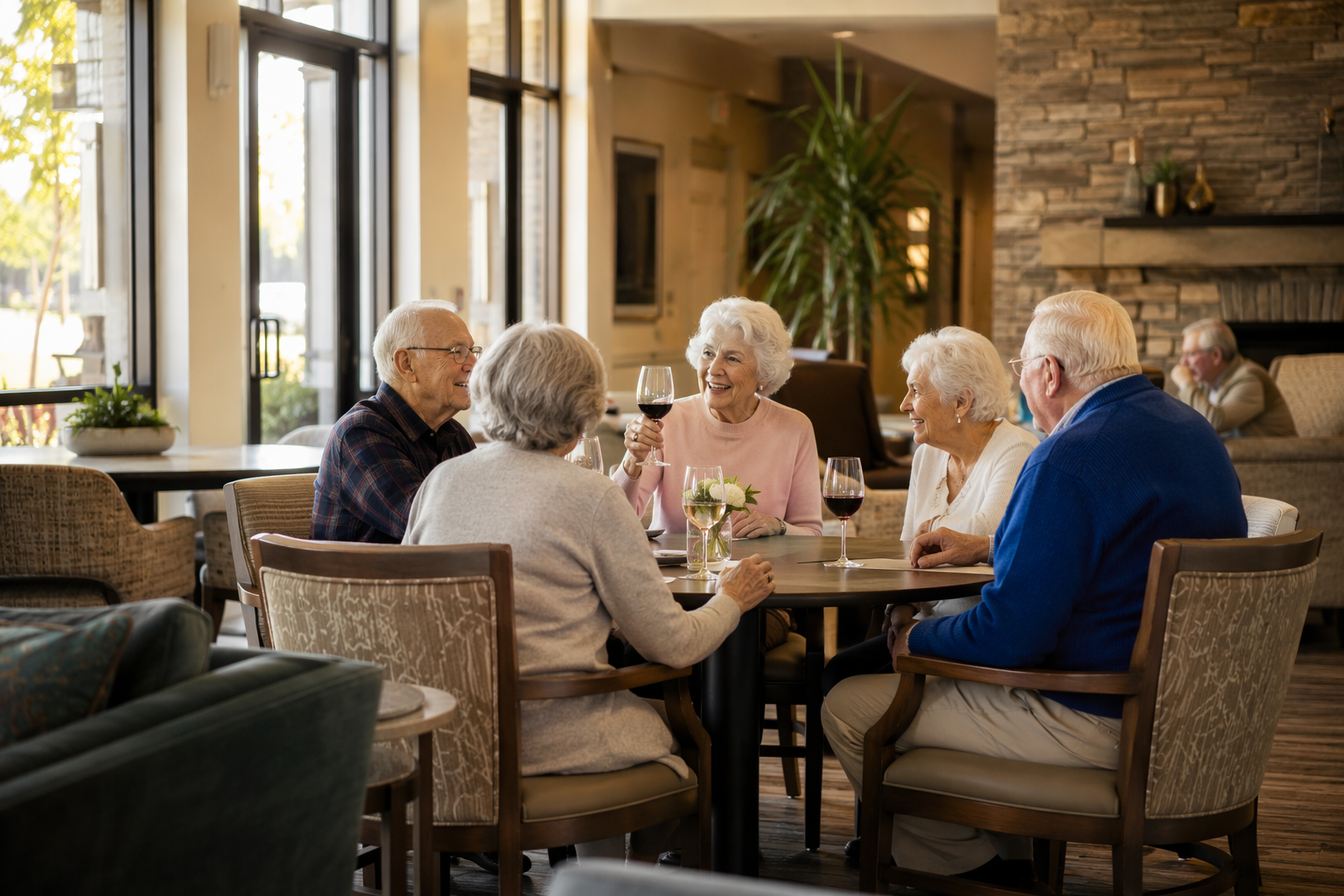
The most useful testimony on the bill did not come from an abstract claim about quality of life. It came from Anita LeBrun, a 93-year-old Amira Choice resident, who spoke publicly in favor of the change and connected it to loneliness and the ordinary value of gathering with other people.[5]
That kind of testimony can be easy to sentimentalize, which would do the policy question no favors. A happy hour is not a clinical intervention. The law has not yet been implemented, and there is no public data showing how many Minnesota facilities will use the exemption, how often residents will participate, or whether any measurable health outcome will change.
Still, long-term care rules do not only govern catastrophic risks. They also determine whether ordinary life can happen without a workaround. A toast after a renovation, a small glass of wine at a meal, or a social hour with neighbors may look minor from outside the facility. Inside the facility, those events can be the difference between a building that merely houses residents and one that allows them to keep recognizable adult routines.
The Safeguards That Remain
The strongest version of the objection deserves a serious answer. Rep. Leigh Finke raised concerns about binge drinking during House discussion and noted roughly 2,000 alcohol-related deaths per year in Minnesota.[1] That concern is not frivolous. Alcohol risk does not vanish because the setting is residential, and older adults may have medication interactions, chronic conditions, fall risks, or cognitive impairment that make alcohol service more complicated than it would be at a neighborhood reception.
But the bill’s design matters. It does not authorize sales. It does not invite unescorted public traffic into senior homes. It does not remove Department of Health oversight. It does not displace CMS requirements. It requires notification to the health commissioner, which gives the state a direct line of sight into facilities using the exemption.[2]
In practical terms, the remaining safeguards are the ones most relevant to the setting. A facility still has to account for resident condition and supervision. Staff still have to manage events in a way consistent with care obligations. Administrators still bear consequences if an event is run carelessly. The law removes the liquor license; it does not remove the facility’s duty to operate safely.
That is the policy trade Minnesota accepted. It reduced friction where the friction appeared procedural, while leaving the protective framework attached to the people and place at issue.
A Catch-Up Story, Not a Revolution
Minnesota had been considered unusually strict compared with other states on this point. That context keeps the bill in proportion. The state is not inventing a new model of resident autonomy so much as stepping away from a requirement that made its senior care facilities navigate a more rigid alcohol permitting structure than the activity warranted.
The law also does not settle harder questions in long-term care regulation. It says little about staffing, reimbursement, infection control, memory care oversight, survey enforcement, or the many areas where the right rule may need to be more demanding rather than less. Treating this bill as a general case against regulation would miss the reason it passed so easily.
Its lesson is narrower and more useful: when a facility is already regulated for health and safety, an additional permit should be able to explain what distinct protection it provides. If the answer is mainly that the paperwork exists because the category exists, lawmakers are right to ask whether the rule is preserving safety or merely preserving its own path through the system.
Minnesota’s Grandparents’ Happy Hour law is modest by design. It lets a resident social event proceed without treating the facility like a liquor business, while keeping the senior care safeguards that actually govern resident risk. That is not deregulation as a philosophy. It is the removal of a rule that appears duplicative, while protective oversight remains in place.
References
- Bill would allow happy hour in senior living facilities, Minnesota House of Representatives Session Daily.
- SF 2511, 94th Legislature, latest version, Office of the Revisor of Statutes.
- Grandparents' happy hour bill, CBS Minnesota.
- Gov. Walz signs Grandparents' Happy Hour law, letting Minnesota senior homes serve alcohol, FOX 9.
- Senior Pushes 'Happy Hour' Bill to Allow Drinks in Nursing Homes, People.
Comments
Join the discussion with an anonymous comment.