
Evidence Appraisals
Appraisals
Long-form critical reviews of the peer-reviewed evidence behind specific clinical-AI tools and tool categories, organized by clinical specialty (radiology, pathology, sepsis prediction, ambient documentation, primary care, and others as coverage grows). Each appraisal names a credentialed clinical or informatics reviewer, cites peer-reviewed studies by journal (and DOI where available), states the tool's FDA clearance status as a separate fact from the evidence verdict, and closes with a structured, consistent risk-of-bias scorecard (study design, sample size and setting, external/prospective validation, overall risk-of-bias rating). This is the flagship section and the site's core proposition. It excludes dated regulatory-event reporting (routed to Tracker) and standalone term definitions (routed to Glossary), and links out to both as supporting evidence rather than duplicating them.
See the full scorecard framework on Methodology.
- Tool
- Healthcare AI Companies: A Structured Overview of the Industry Landscape
- FDA status
- Not reported
- External validation
- Not reported
- Manufacturer
- —
Sports Medicine
AI for ACL Injury Prediction: What the Evidence Shows

- Tool
- ACL injury prediction AI models
- FDA status
- None identified
- External validation
- Limited (one externally validated model)
- Key metric
- AUC (0.63-0.85)
Revenue cycle management
What the Evidence Says About AI Agents for Healthcare Revenue
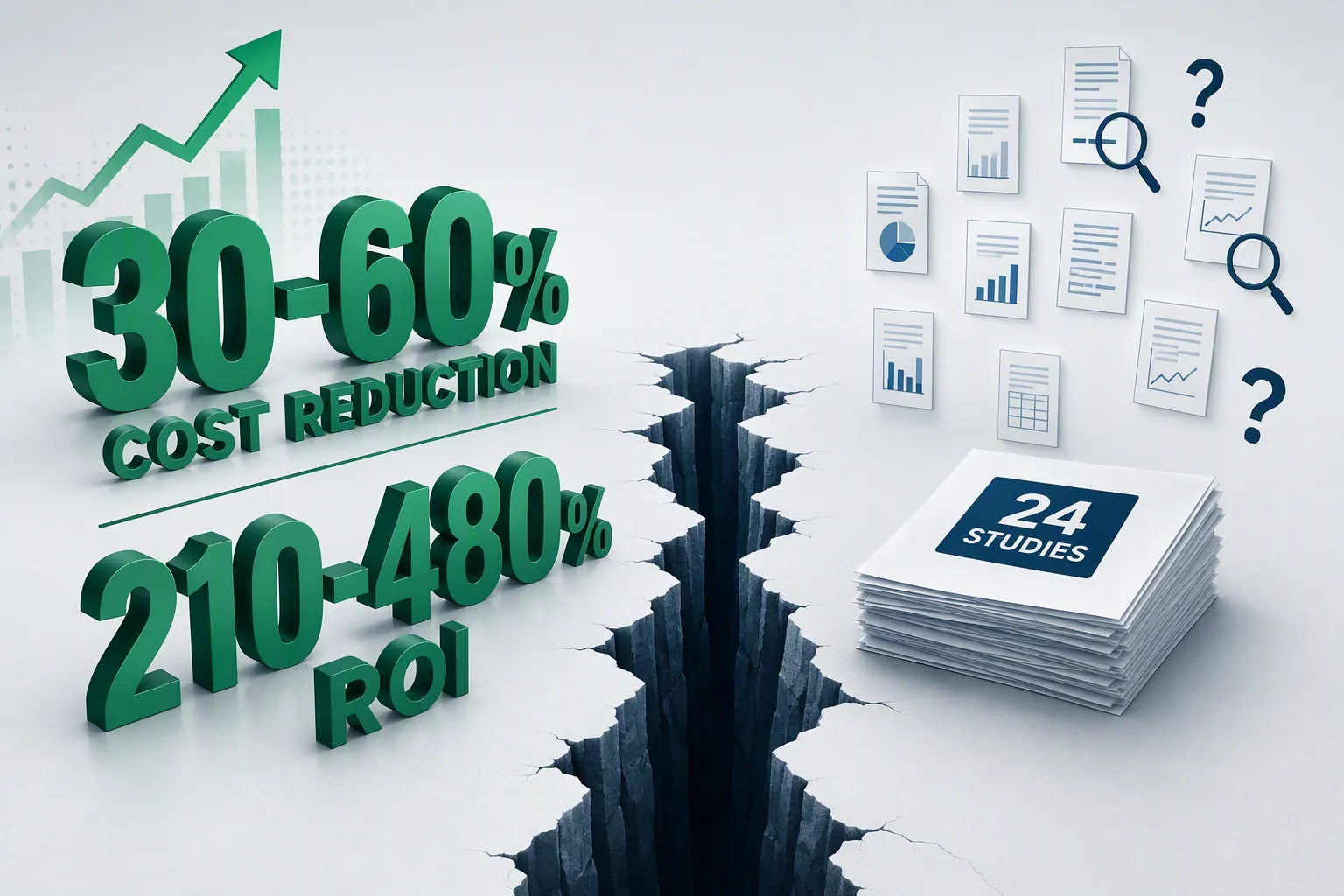
- Tool
- AI agents for healthcare revenue cycle management
- FDA status
- None identified
- External validation
- No independent external validation
- Key metric
- First-pass acceptance improvement ≥15%
Toxicology
What the evidence says about AI antivenom pricing

- Tool
- RFdiffusion-designed miniproteins
- FDA status
- Not FDA cleared
- External validation
- None
- Key metric
- 80-100% murine survival
primary-care-ai
How Strong Is the Evidence for AI Autonomous Driving Safety?

- Tool
- Waymo Autonomous Driving System
- FDA status
- Not applicable (transportation regulatory framework)
- External validation
- No independent external validation
- Key metric
- 85% reduction in serious injury-or-worse crashes
Oncology
How strong is the AI evidence in cancer survivorship care?

- Tool
- AI in cancer survivorship care
- FDA status
- No survivorship-specific FDA clearance identified as of 2026-08-01
- External validation
- Rare; 1 of 42 studies in one reviewed systematic review reported external validation
- Key metric
- Accuracy 72–93%; AUC >0.80 in about half of models
Psychiatry
What the evidence actually shows about AI chatbots for depression

- Tool
- AI chatbots for depression
- FDA status
- No FDA clearance
- External validation
- No external validation
- Key metric
- g=0.31
Gastroenterology
AI Colorectal Cancer Diagnosis Evidence: Three Key Tensions

- Tool
- CADe Colonoscopy Systems
- FDA status
- FDA cleared (De Novo and 510(k))
- External validation
- Yes, pragmatic implementation studies
- Key metric
- Adenoma detection rate (ADR)
Multispecialty
Is AI Data Center Power Instability a Clinical-AI Risk?
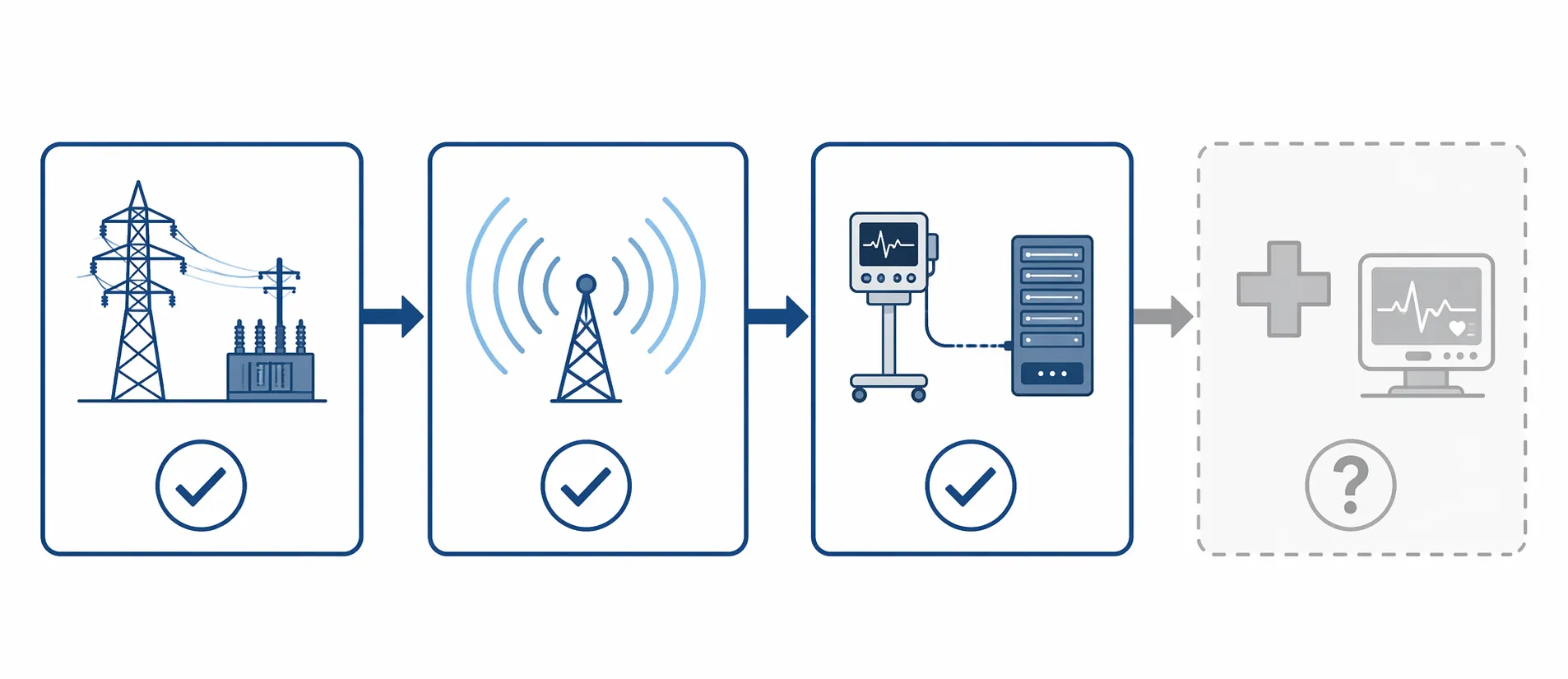
- Tool
- Clinical-AI tools (general)
- FDA status
- Not applicable (general risk appraisal)
- External validation
- Not validated for clinical-AI link
- Manufacturer
- —
neurology
How reliable are AI diagnostic models for Lou Gehrig's disease?
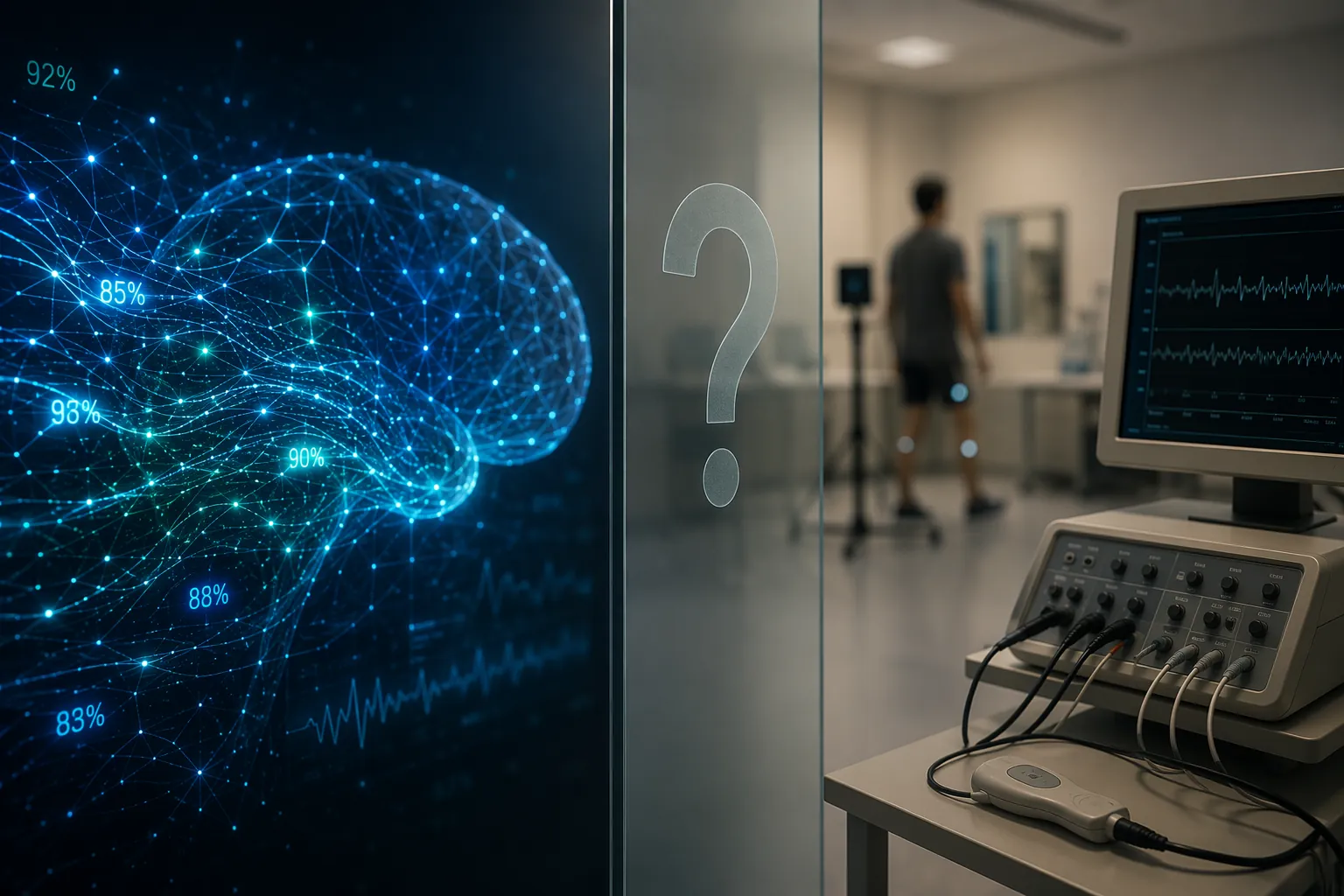
- Tool
- AI diagnostic models for ALS
- FDA status
- None (no FDA-cleared ALS diagnostic AI tool)
- External validation
- Limited; no independent prospective validation
- Key metric
- Pooled sensitivity 94.3%, specificity 98.9%
Pharmacy
What Evidence Supports AI Drug Price Prediction Under Tariffs

- Tool
- Okra ValueScope
- FDA status
- None
- External validation
- No
- Key metric
- R² = 0.85
Radiology
Can Radiologists Detect AI-Generated X-Rays?

- Tool
- Deepfake Medical Image Detection (Chest X-ray)
- FDA status
- No FDA clearance
- External validation
- No
- Key metric
- 41% spontaneous detection accuracy